
When Fixing the Car Isn’t the Question – Making the Right Decision Is
Estimated: 4 min read

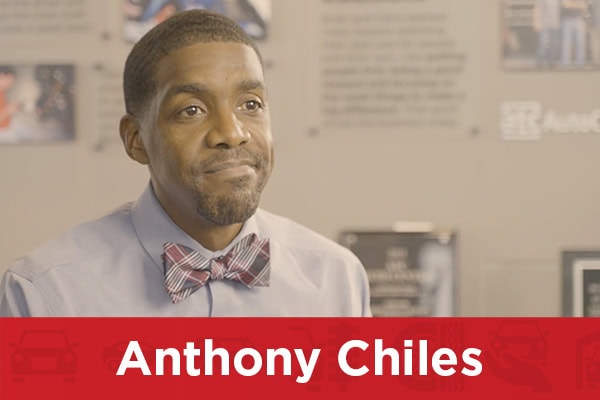
Anthony Chiles’s Story: A customer story about clarity, trust, and long-term thinking at [atc] AutoCenter
Most people don’t walk into an auto shop excited.
They walk in uncertain.
Uncertain about what’s wrong.
Uncertain about what actually needs to be fixed.
And uncertain about whether the recommendation they’re about to hear is truly in their best interest.
That’s exactly where Anthony Chiles was.
The Problem Most Drivers Face Isn’t the Repair — It’s the Decision
Anthony wasn’t looking for a quick patch or a rushed diagnosis. He wanted to understand what was going on with his vehicle and why certain repairs mattered more than others.
Like many drivers, he expected the usual experience:
- Technical explanations that felt over his head
- A recommendation without much context
- Pressure to move quickly and decide on the spot
Instead, what stood out immediately wasn’t the repair itself — it was the time and care taken to explain the decision behind it.
“They weren’t trying to make me an auto expert. They just broke down what was going on, why it mattered, and why you’d fix this versus just patching it up.”
That distinction changed everything.
Why Clarity Builds Trust Faster Than Promises
Anthony described sitting down and being walked through the situation — not rushed, not talked down to, and not left guessing.
That moment mattered more than any price point.
In a world where most businesses move fast and explain little, slowing down to help someone think clearly creates something rare: confidence.
And confidence leads to trust.
“It took about 15 minutes, but they walked me through the process. That was key to why I wanted to stay with them.”
This wasn’t about customer service scripts or surface-level friendliness. It was about helping a customer make a better decision, not just approving a repair.
Trust Isn’t Built Once — It’s Earned Over Time
As Anthony continued working with [atc], that initial clarity didn’t disappear when things got complicated.
When issues came up, they were addressed honestly.
When questions were asked, they were answered directly.
That consistency mattered more than cost.
“Cost isn’t the reason I keep coming back. Trust is.”
Over time, [atc] became less of a place to fix problems and more of a partner Anthony could rely on — especially when decisions weren’t obvious.
Peace of Mind Is a Service — Not a Bonus
He wanted peace of mind.
That meant a full explanation of the vehicle’s condition, time to ask questions, and confidence that nothing important was being overlooked.
“They explained everything and made sure I felt comfortable with the decision.”
That’s what decision-first car care looks like.
The Bigger Lesson: Cheap Fixes Often Cost More Later
Anthony summed it up with a perspective many drivers learn the hard way:
Investing in quality — and clarity — upfront often prevents:
- Repeated breakdowns
- Constant “nickel-and-dime” repairs
- Bigger, more expensive problems down the road
Replacing a major component isn’t a small decision.
But avoiding the real issue rarely saves money in the long run.
The goal isn’t to spend more.
It’s to spend wisely.
If You’re Facing an Uncertain Car Decision, This Matters
If you’re unsure what to do with your vehicle, here’s what makes the difference:
- You deserve clear explanations, not pressure
- You should understand why a repair is recommended
- Long-term safety and cost matter more than short-term relief
- Trust is built through time, transparency, and consistency
Good car care isn’t just about fixing what’s broken.
It’s about helping you decide what actually makes sense.
In Short
- Most drivers need clarity before they need repairs
- Honest guidance builds trust faster than low prices
- Explaining the “why” matters more than selling the “what”
- Long-term thinking prevents repeated, costly fixes
- The best auto shops act as advisors, not just repair centers